Tesla, has entered 2026 with a market capitalization of about $1.43 trillion, but the meaning of that number has completely changed. The stock is no longer driven mainly by vehicle deliveries. It is now driven by belief in autonomy, robotaxis, artificial intelligence, robotics, and the long term vision of Elon Musk.
Investors are no longer valuing Tesla as a car company. They are valuing it as a future technology platform. That shift is the foundation of the entire Tesla story in 2026.
The Fall Began Before 2026
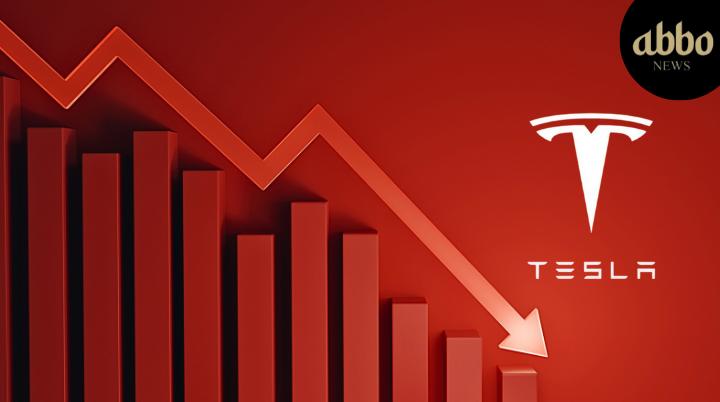
The decline in Tesla stock did not begin this year. According to Reuters, the weakness started in 2025 after Tesla reached a peak market cap of $1.5 trillion on December 17, 2024.
By March 2025, Tesla market value had already fallen 45% from that peak. By June 2025, the valuation dropped further to $917 billion, a 29.3% decline for the year and one of the steepest drops among large global companies.
This decline was not random. It was linked to falling vehicle sales, declining profits, brand backlash, and investor concern that Elon Musk was not fully focused on Tesla.
Real Business Weakness Forced a Reset
The valuation drop reflected real problems in the business. Tesla reported its first annual sales decline in 2025, with sales falling about 8.6%. At the same time, competition increased sharply, especially in Europe.
Revenue also declined for the first time. Tesla reported $94.83 billion in revenue for 2025, down about 3%. This marked a clear shift from rapid expansion to a more defensive phase.
Tesla itself confirmed this change. In its Q2 2025 update, the company described that period as the beginning of a transition toward artificial intelligence, robotics, and services. The company also highlighted its robotaxi plans in Austin and future Cybercab and Semi production expected in 2026.
This created a disconnect. Tesla was still operating like a pressured car manufacturer while being valued like a future technology leader.
2026 Delivery Data Shows the Core Problem
The latest numbers explain why Tesla stock remains under pressure. In Q1 2026, Tesla produced 408386 vehicles and delivered 358023 vehicles. The results missed expectations and inventory increased.
These figures do not show a collapse, but they do not support a trillion dollar valuation based on car sales alone. The stock now depends on future promises rather than present performance.
Big Investors Turn Careful But Do Not Exit
There has been confusion around institutional investors, but the data shows a more balanced picture.
JPMorgan Chase turned cautious in March 2025 and cut its Tesla price target to $120 due to expected delivery declines and weakening brand sentiment. However, it still held 44.59 million shares as of December 31, 2025, only slightly lower than before.
BlackRock maintained strong confidence, holding 209.56 million shares at the end of 2025, up from 202.19 million a year earlier.
The reality is clear. Large investors did not abandon Tesla. They adjusted expectations as the company became harder to justify based on auto fundamentals alone.
Competition Is Now Tesla Biggest Threat
Tesla is not losing because demand for electric vehicles is weak. It is losing market share.
In China, Tesla sales fell 7.1% in 2025 and its market share dropped from 10% to 8%. In Europe, the pressure was even stronger. Sales fell 49% in April 2025, and market share dropped from 1.3% to 0.7%, even as overall EV demand increased.
Chinese manufacturers such as BYD have become major competitors. BYD outsold Tesla in the EU in September 2025. In the UK, Tesla sales fell 37% in February 2026 while demand for Chinese EVs remained strong.
The key takeaway is simple. The EV market is growing, but Tesla is losing its position within that growth.
Elon Musk Is Betting Everything on AI and Robotaxis
Elon Musk response has been to shift Tesla focus away from cars and toward future technologies. In April 2025, he said he would spend more time on Tesla. By July 2025, he warned that the company could face difficult quarters ahead but emphasized that self driving software and robotaxis would become the main revenue drivers.
By January 2026, Tesla had invested $2 billion in Musk xAI venture and confirmed that Cybercab production remained on track. The company also began repurposing factory space for robotics.
Tesla future is now built on artificial intelligence, automation, and services rather than just vehicles.
The Real Outlook for Tesla Stock
Tesla stock in 2026 is driven by belief. If the company delivers on robotaxis, self driving technology, and new products, the current valuation can hold. If these plans fail or face delays, the stock could be revalued closer to traditional car companies.
The stock is likely to remain volatile. Every delivery report, every update from China, and every statement from Elon Musk will move the price. Tesla is no longer just a car company. It is a high risk bet on the future of technology. That is what makes it one of the most exciting and uncertain stocks in the market today.